The KS3 experience: what the data tells us
The transition from primary to secondary school is one of the most significant shifts in a child’s educational journey. Edurio data reveals a consistent trend: Year 7 often begins with a “honeymoon period” of high engagement and happiness but these metrics frequently decline as pupils move into Years 8 and 9.
1. Belonging and Happiness
Belonging is defined by Edurio as a journey that translates naturally into happiness. However, the data shows a stark “transition dip” in the early secondary years.
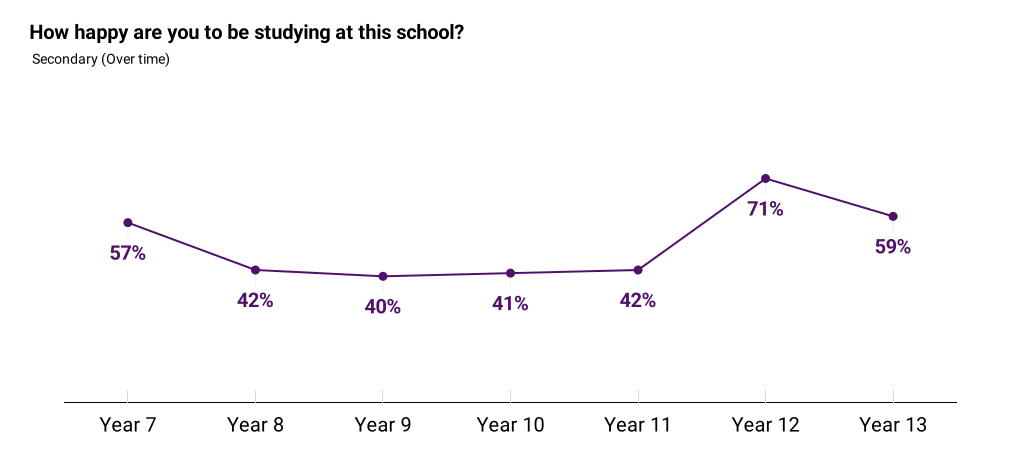
- The Happiness Cliff: Year 7 pupils enter secondary school reasonably happy, with 57% reporting they are very or quite happy to be studying at their school. This drops materially to 42% in Year 8 and reaches a low point of 40% in Year 9.
- Gender Disparities: Happiness levels are notably lower for girls and those with another gender identity compared to boys during this period.
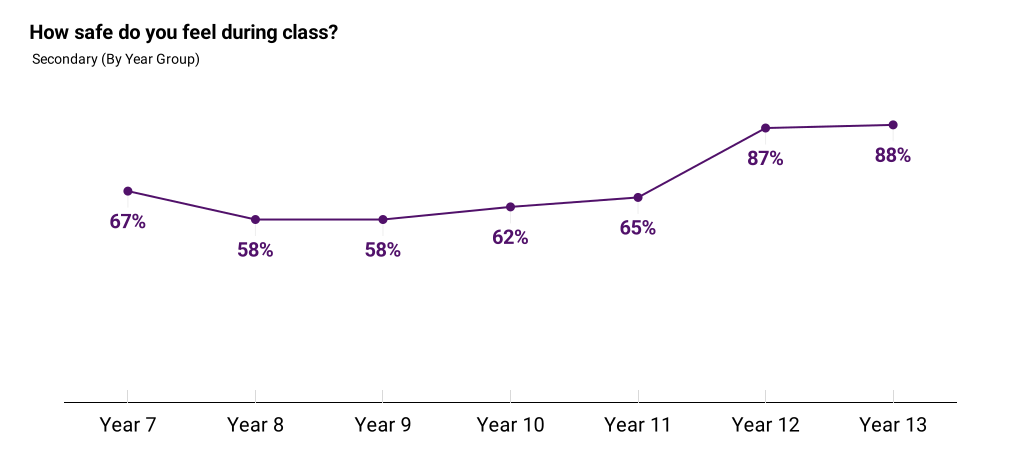
- Safety as a Foundation: Feelings of safety are a prerequisite for belonging. There is a notable dip in feelings of safety between Year 7 (67%) and Years 8 and 9 (58%).
2. Engagement in Learning
Engagement reflects how involved and interested pupils are in their lessons, acting as a predictor for attendance and attainment.
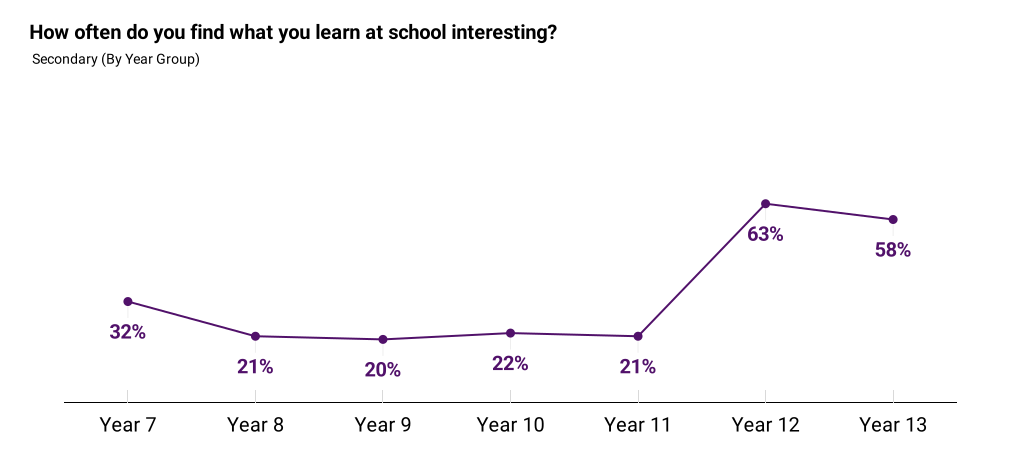
- Declining Interest: Similar to happiness, interest in the curriculum wanes after Year 7. While 32% of Year 7 pupils find what they learn interesting, this falls to 21% in Year 8 and just 20% in Year 9.
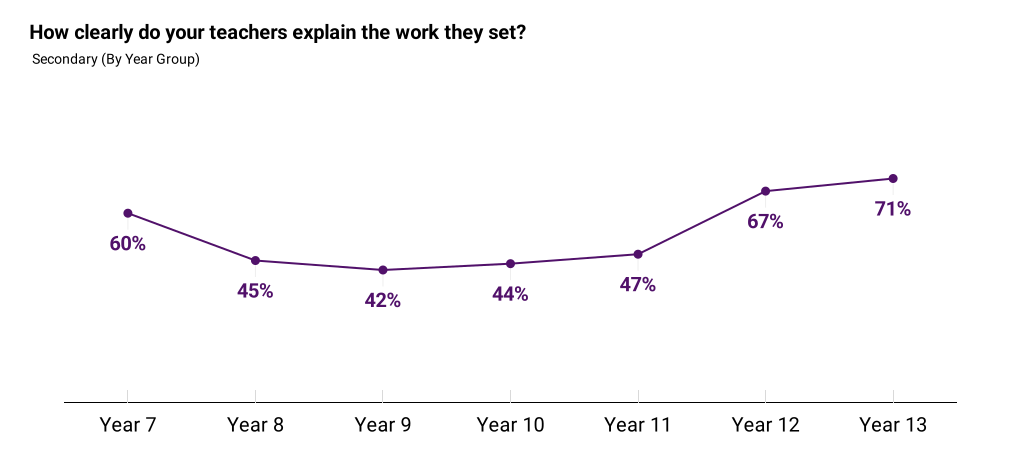
- Clarity of Instruction: The clarity with which teachers explain work also sees a sharp decline. 60% of Year 7 pupils feel instructions are clear, dropping to 45% in Year 8 and 42% in Year 9, the lowest of any year group.
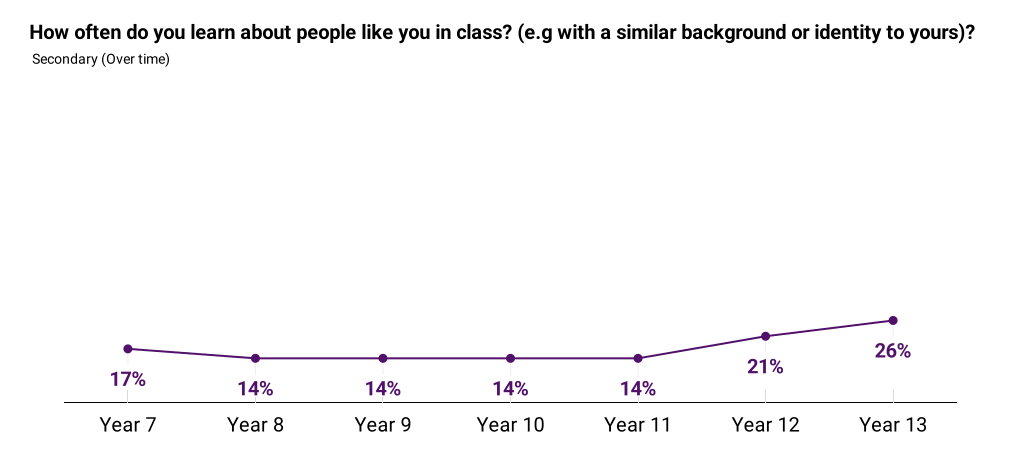
- Representation and Inclusion: A significant barrier to engagement is the lack of cultural representation. In Year 9, only 14% of pupils report that they often learn about people like themselves in class (e.g., with a similar background or identity).
3. Relationships and Wellbeing
Pupil wellbeing encompasses mental, emotional, and physical health, which form the foundations for resilience.
-
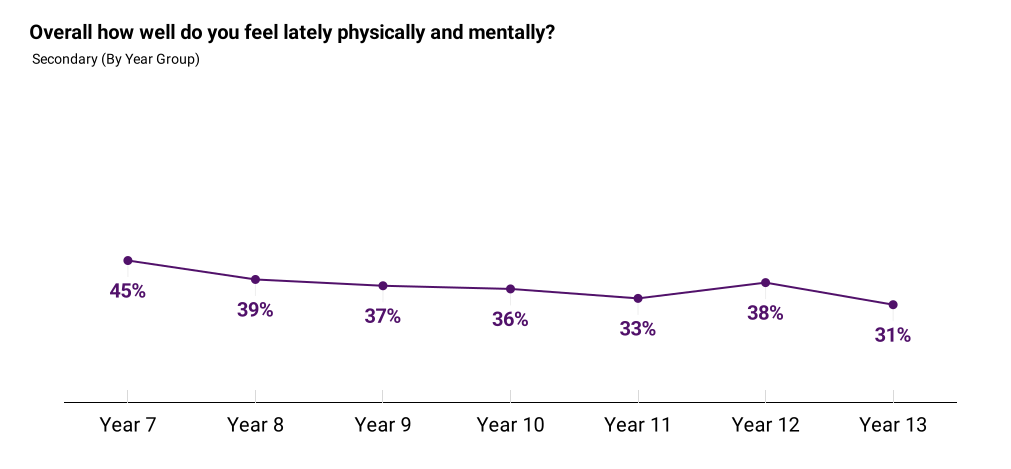
- Wellbeing: Physical and mental wellbeing scores follow the downward trajectory of the early secondary years:
- Year 7: 45% feel well.
- Year 8: 39% feel well.
- Year 9: 37% feel well.
- Wellbeing: Physical and mental wellbeing scores follow the downward trajectory of the early secondary years:
-
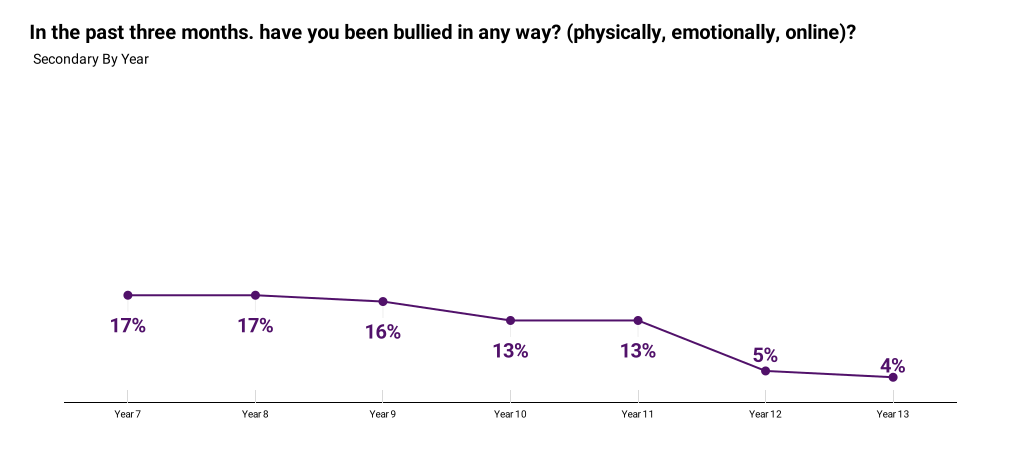
- Peer Dynamics: 15% of pupils across all secondary years report being bullied in the past three months, but it’s higher for Year 7 (17%) Year 8 (17%) and Year 9 (16%).
-
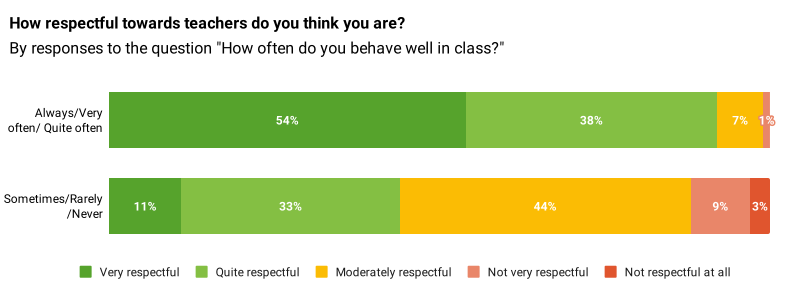
- Behaviour and Respect*: Pupils who behave well are more than twice as likely to report being respectful towards teachers (92%) than those who behave well only sometimes or rarely (44%). Pupils who behave well are twice as likely to be happy at school (55%) compared to those who do not (27%). (data from 2022/2023)
-
- Loneliness: KS3 pupils are marginally less likely to feel lonely than those in years 10 and 11. 18% of Year 7s report feeling lonely very or quite often, compared to 20% of Year 8s and 20% of Year 9s.
4. Wider Experience and Challenges
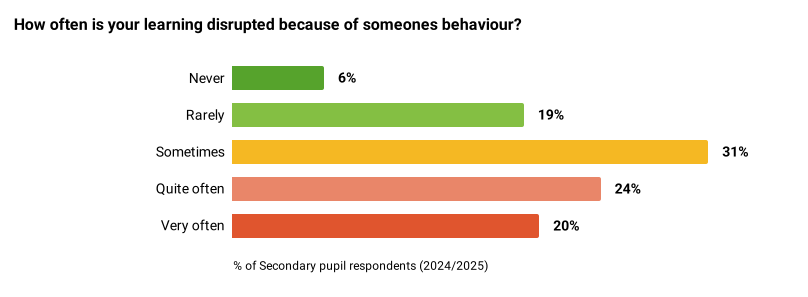
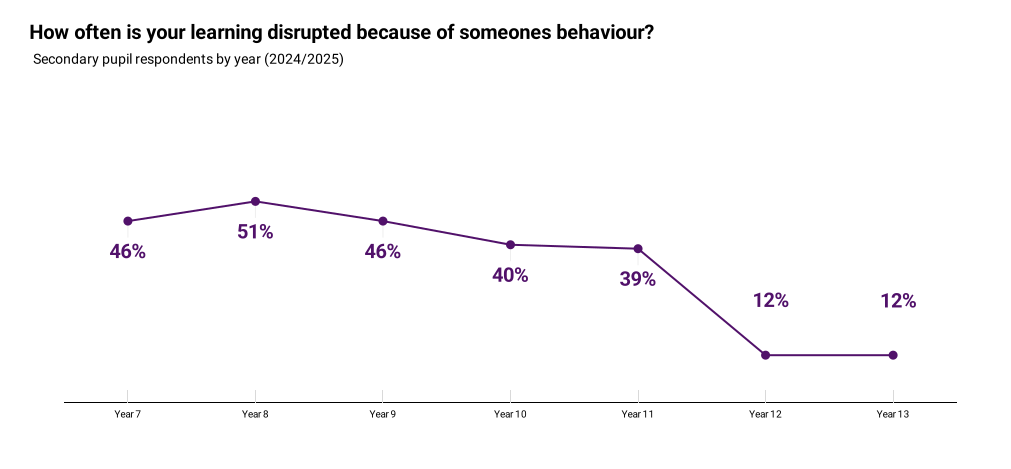
- Classroom Disruption: 44% of secondary pupils report that their learning is disrupted “very or quite often” by someone else’s behaviour, and it’s higher in KS3: 46% in Year 7, 51% in Year 8, 46% in Year 9.
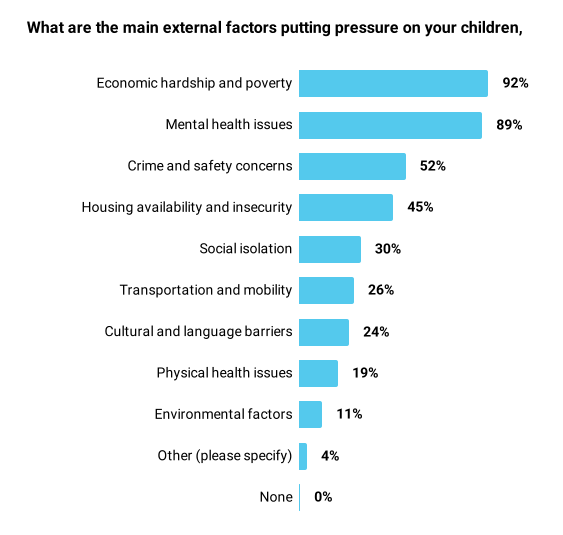
- External Factors*: CEOs report that the communities served by trusts are heavily influenced by economic hardship (92%) and mental health issues (89%), which inevitably impact the classroom experience of Year 7-9 pupils. (National CST School Trust Report 2025)
5. Best Practice Strategies for Pupil Engagement, Relationships and Belonging*
Leading schools are combatting these dips through intentional “cultural scaffolding”:
- Peer-Led Transitions: Having Year 8 pupils return to their former primary schools to reassure Year 6s helps build early belonging and reduces anxiety.
- Meaningful Tutor Time: Allocating 30 minutes daily for connection rather than administration builds trust with adults.
- Relational Safeguarding: Moving beyond “tick-box” exercises to creating “safe spaces” where pupils can discuss potentially embarrassing or challenging topics.
- Structured Empowerment: Giving pupils agency through projects—such as letting them lead Black History Month or consult on the design of school spaces—combats the feeling of not being listened to.
Sources:
- Edurio Pupil Experience Report 2025
- Edurio Staff Experience Report 2025
- Edurio Parent Experience Report 2025
- Behaviour and Safety: Key Trends and Challenges (2024)
- Pupil Happiness at School Guide (2025)
- National School Trust Report (2024)
*n.b. These points relate to the full pupil experience, rather than specifically Years 7 to 9.