 Share
Share  Share
Share  Share
Share If you’re looking for evidence that school culture is nudging in the right direction, this year’s Edurio national datasets, consisting of parent, pupil and staff responses to our surveys, give cautious cause for optimism. Staff report better behaviour and higher levels of respect from pupils; pupils report stronger feelings of safety (especially in secondary); and parents’ confidence in how schools manage behaviour has ticked up. Below, we triangulate the four most up-to-date sources in Edurio’s Annual reports as well as the Edurio/CST annual CEO report to sketch the picture and share practical, low-cost moves to build on it.
School staff report improved pupil behaviour and respect
In our 2025 Staff Experience Report, we observed numerous signs of positivity. Perceptions of Pupil Behaviour is one of these green shoots.
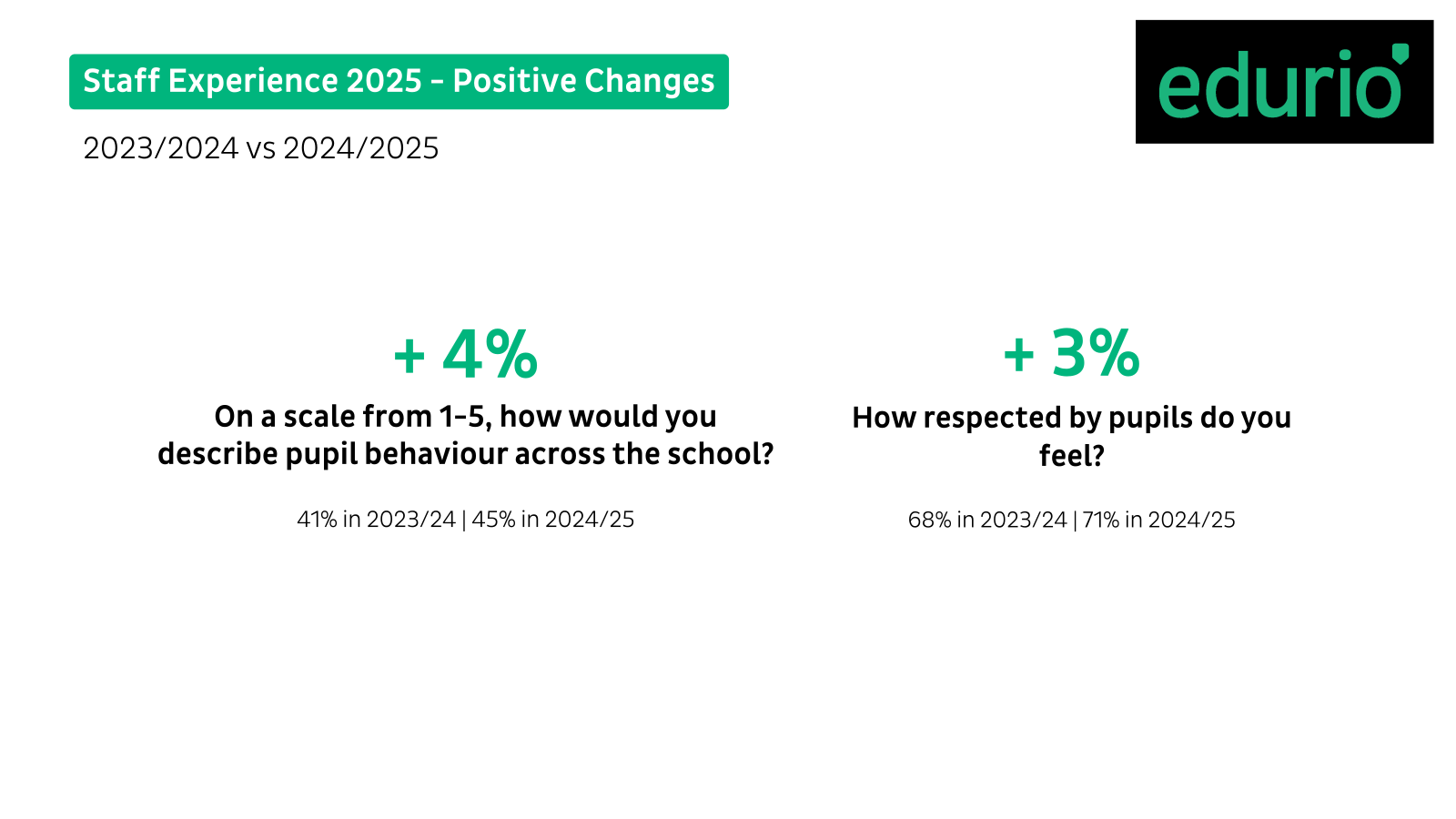
- The proportion of staff giving a positive rating to pupil behaviour rose from 41% to 45% year‑on‑year (+4 percentage points). Staff feeling respected by pupils also increased to 71% (+3 percentage points). (Staff Experience Report 2025, p.11)

- A more stable workforce helps behaviour, too: the share of staff considering resignation fell to 41% (down from 43% over the previous two years), indicating early signs of improvement in retention. (Staff Experience Report 2025, p.12)
Why it matters: When adults experience calmer classrooms and respectful relationships, they can sustain consistent routines and relational approaches, both critical to behaviour.
Pupils’ lens: safety is steady in primary and edging up in secondary
Pupils similarly show signs of a positive trend in their data. Elements of pupils’ experience, such as safety, behaviour and safeguarding, all show signs of improvement, which is welcomed following a difficult couple of years.
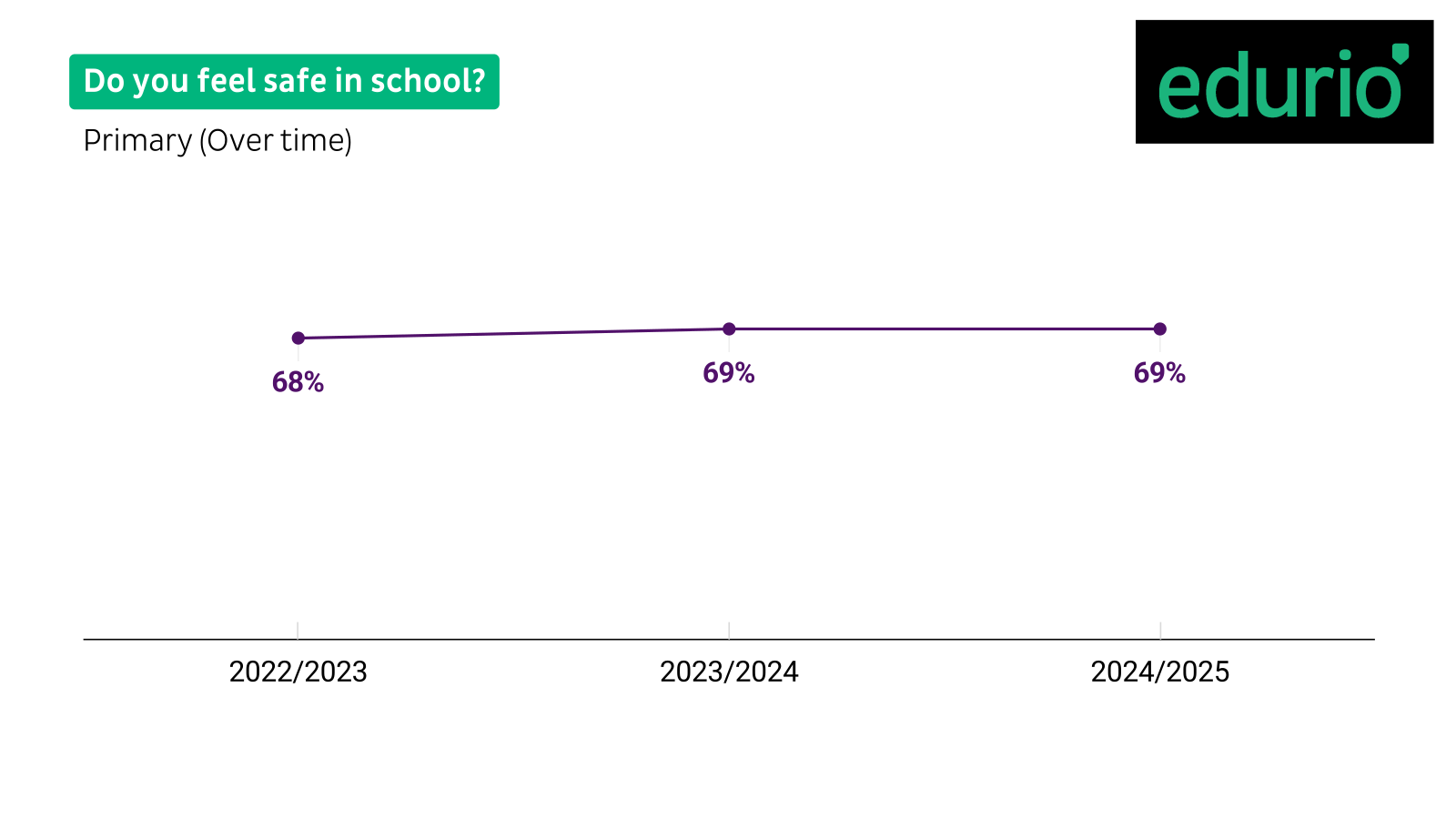
- Primary: 69% report feeling very or quite safe in school (steady over three years). (Pupil Experience Report 2025, p.22)

- Secondary: 63% report feeling very or quite safe in class, with a small improvement compared to last year (and a dip to watch between Year 7 and Years 8–9). (Pupil Experience Report 2025, p.23)
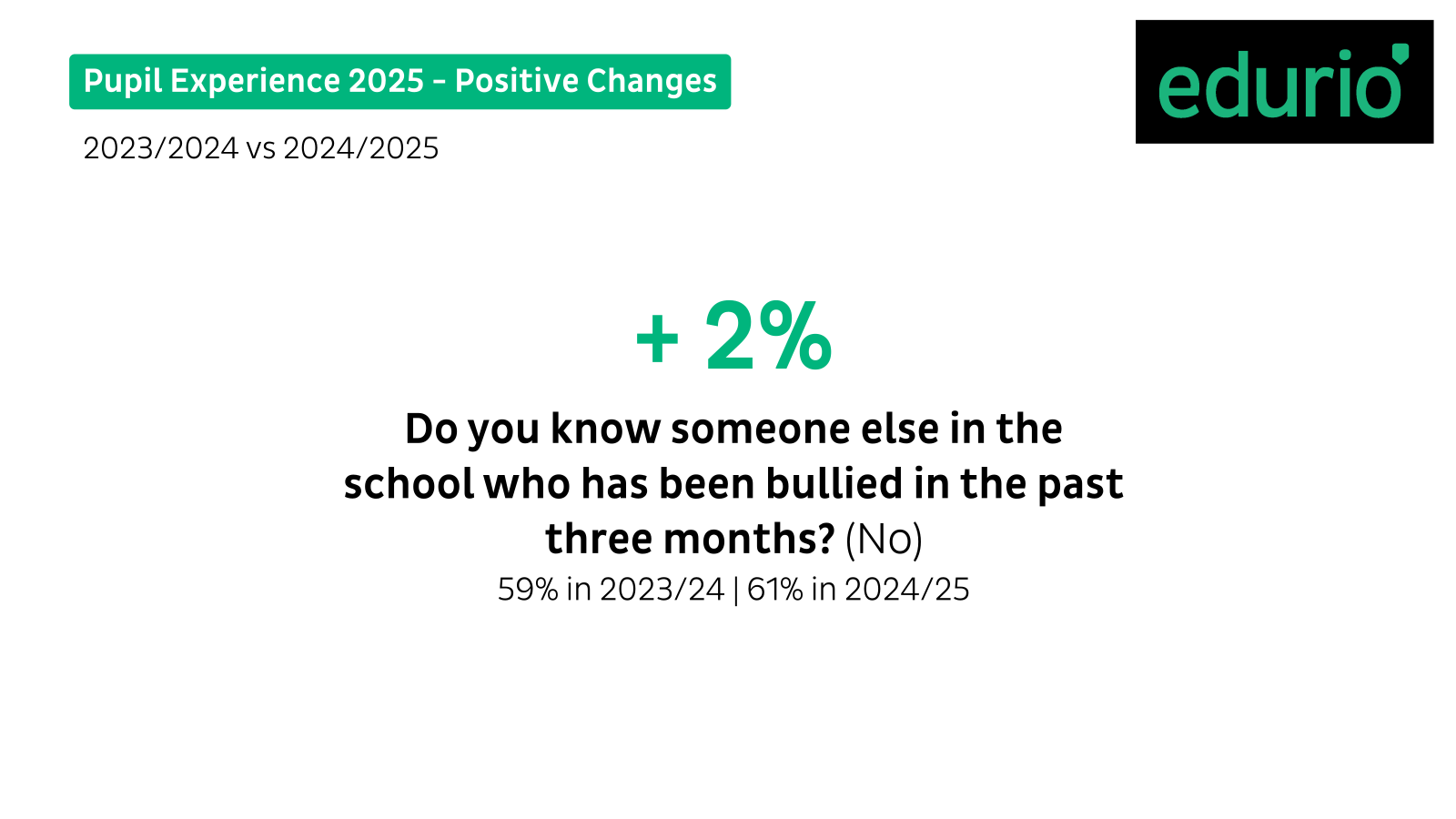
- On a related measure, the percentage of pupils who do not know someone else who has been bullied in the past three months increased from 59% to 61% (+2 percentage points). (Pupil Experience Report 2025, p.14)
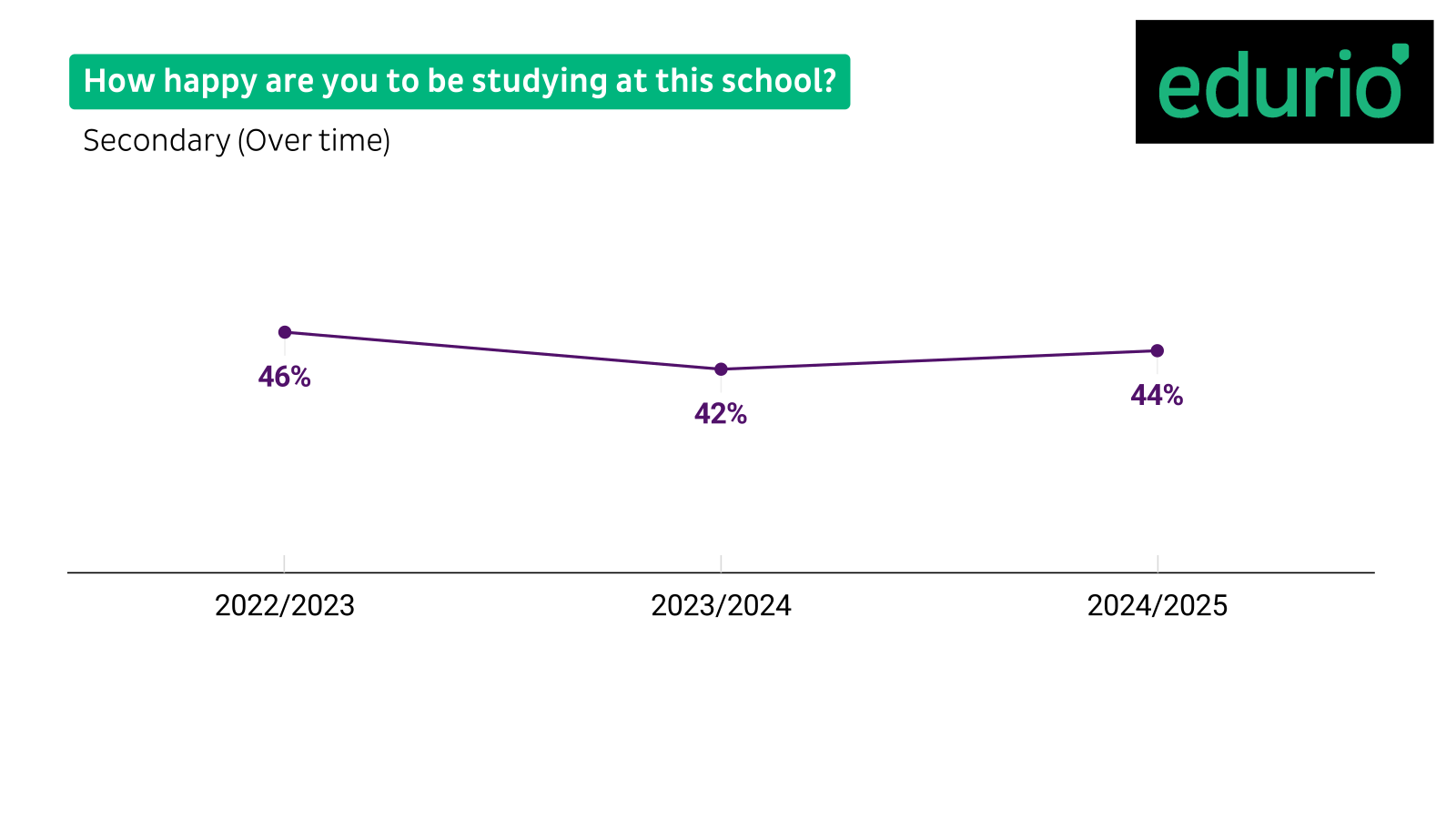
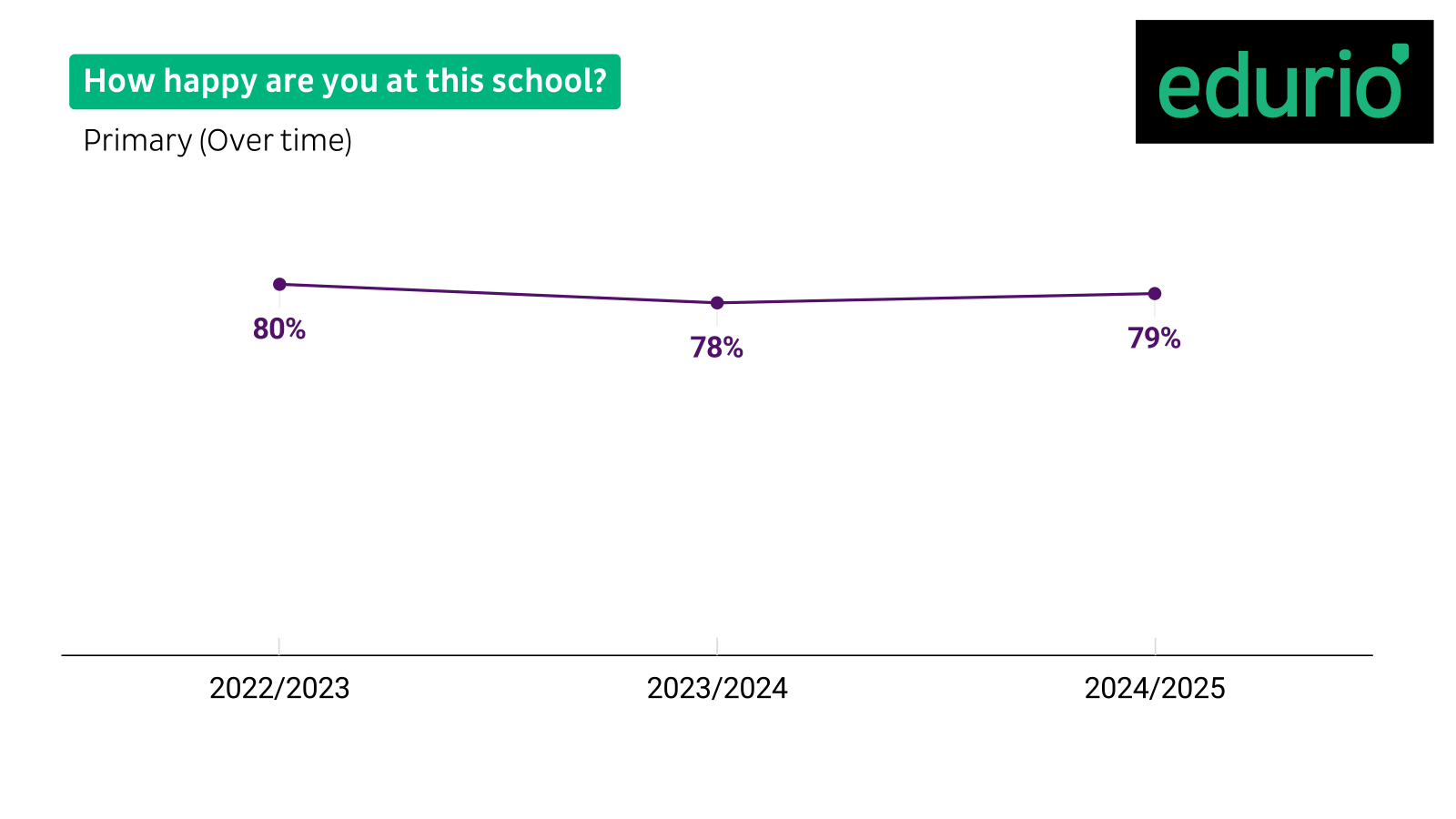
- At a broader climate level, secondary happiness rose for the first time since 2021 to 44%, while 79% of primary pupils reported being happy at school. (Pupil Experience Report 2025, Executive Summary, p.6)
- Module‑level results show behaviour improved in most questions in secondary this year, and behaviour and Safeguarding also had improvements in most questions in primary this year. (Pupil Experience Report 2025, p.11–12)
Why it matters: Pupils’ sense of safety and belonging underpins prosocial behaviour. Seeing these indicators move in the right direction, alongside a rise in secondary happiness, suggests the behaviour climate is stabilising.
Parents are noticing progress in behaviour and safety
Parent experience shows a mixed but generally positive picture. The majority of parents are satisfied with key elements of the experience. The most significant decrease in positive responses is just one percentage point, compared with improvements of three percentage points in other areas.
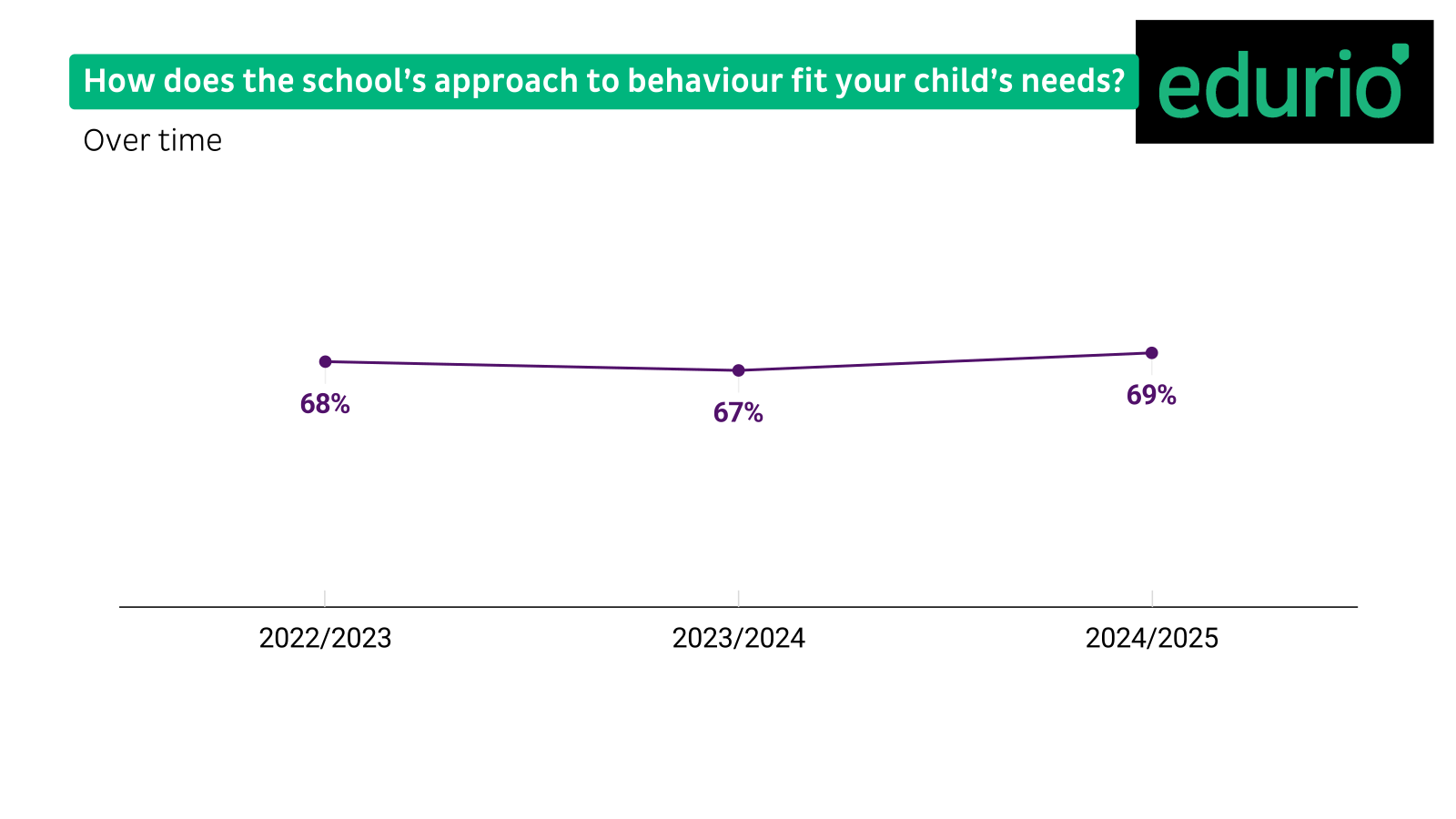
- 69% of parents say the school’s approach to behaviour fits their child’s needs—up from 67% last year (+2 percentage points). (Parent Experience Report 2025, p.20)
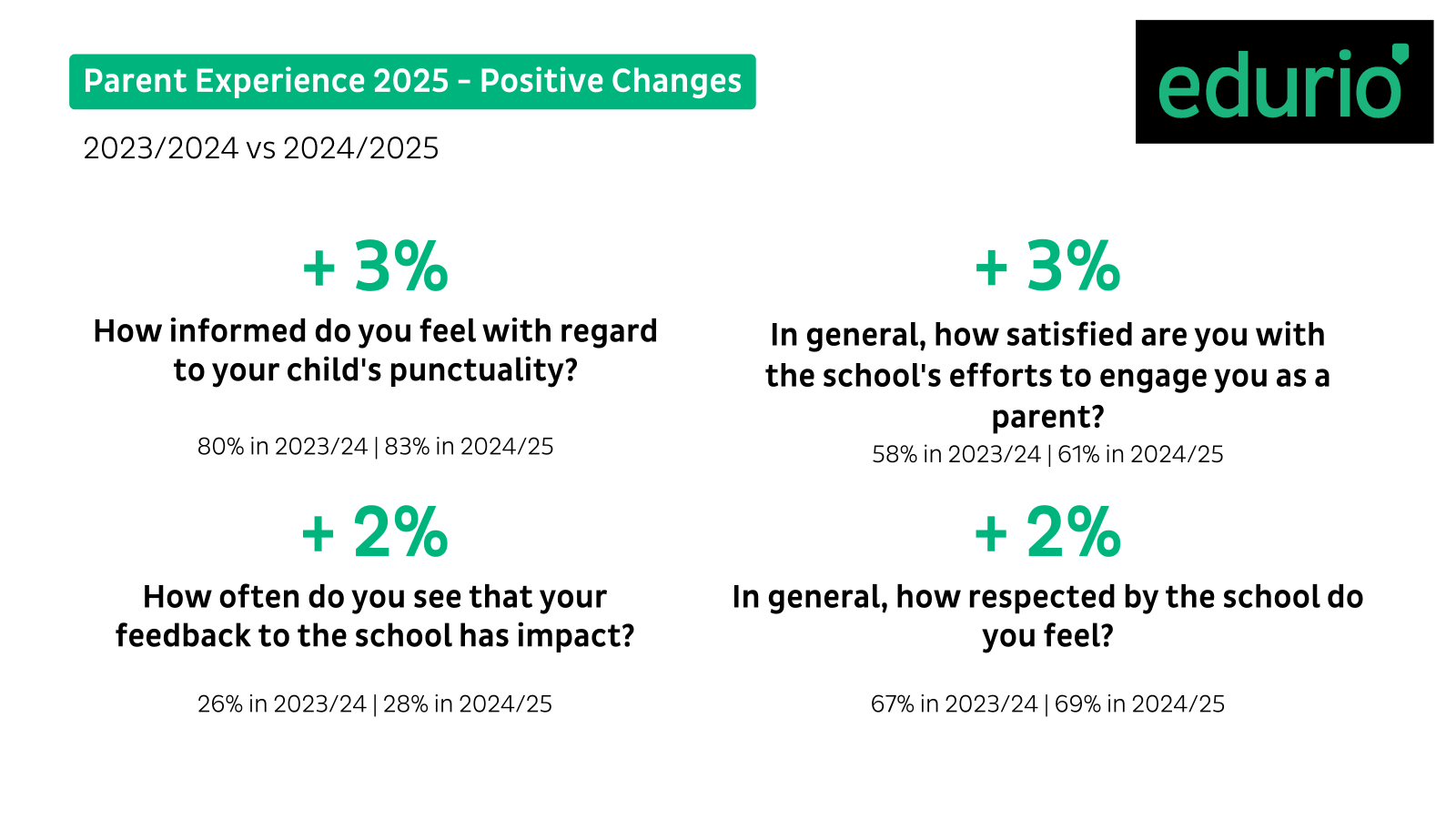
- Parents also report strengthened relationships: 71% feel respected by the school (+2 percentage points vs. last year), and satisfaction with engagement has risen to 61% (+3 percentage points). (Parent Experience Report 2025, p.16 & p.13)
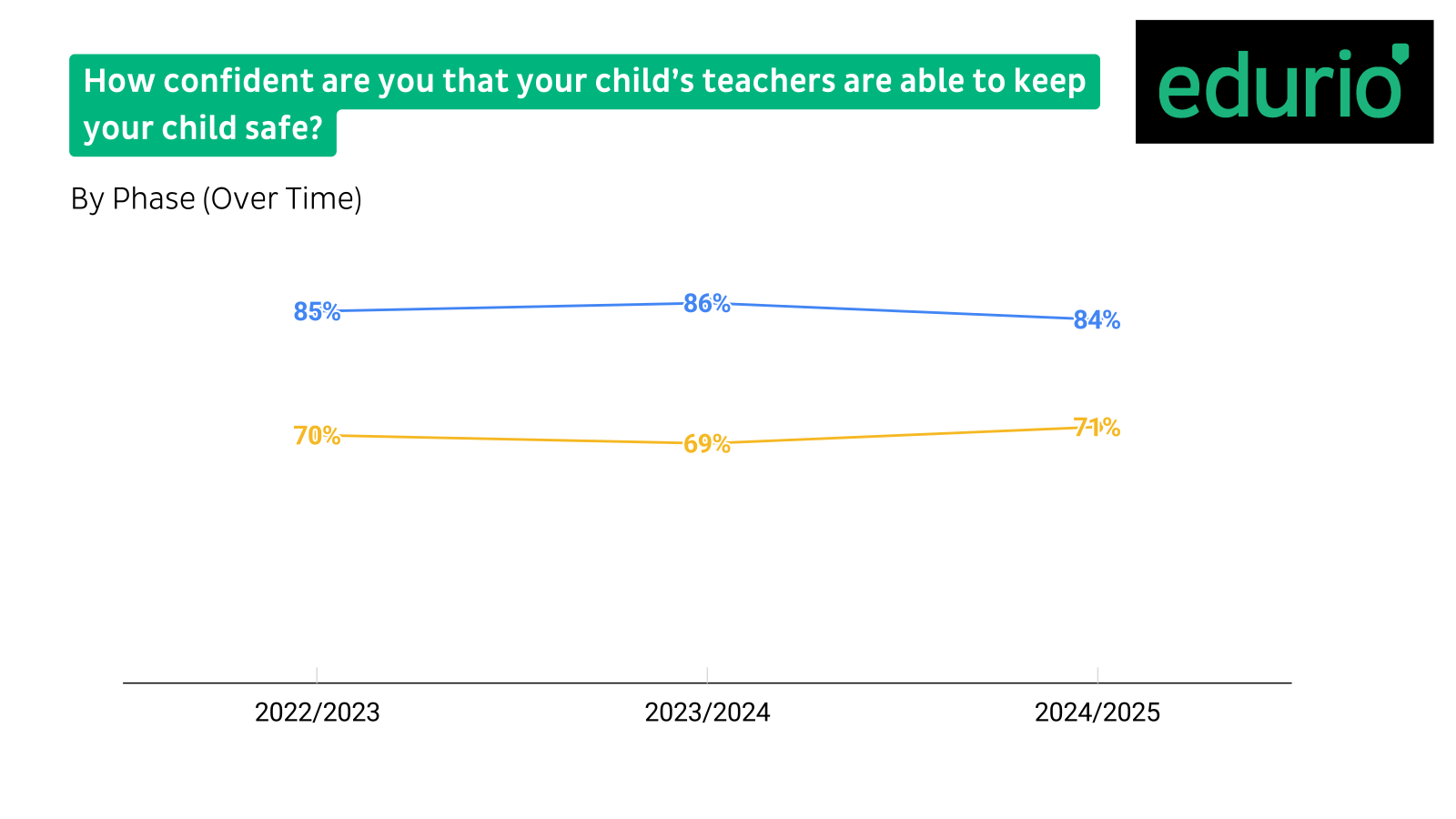
- Three in four parents feel confident that teachers keep their child safe, with 84% in primary schools and 71% in secondary schools. (Parent Experience Report 2025, p.19)
Why it matters: Parents’ confidence and partnership with the school are powerful accelerants for sustained behavioural improvement.
What leaders can do next (low‑cost, high‑impact)
Financial Sustainability is the number one priority for CEOs this year, and more than four in five trusts are considering staffing reductions, underscoring the need for high-impact, low-cost behavioural approaches. (National School Trust Report (CST) 2025, Foreword, p.1) Here, we share some of these high-impact yet low-cost ideas, based on responses to our surveys and interviews from our best practice guides.
Target the Year 7–9 dip in safety. The data show a decline in secondary pupils’ sense of safety between Year 7 and Years 8–9, with a focus on routines, social norms teaching, and high-visibility pastoral presence. (Pupil Experience Report 2025, p.23)
Make behaviour communication ultra‑clear for parents. Publish and regularly refresh a simple “How we respond to behaviour” explainer, followed by “You said – We did” updates. Parents’ confidence in behaviour approaches improved to (69%). Gains are possible with consistent messaging, we see the importance of communication in parental engagement and experience in our recent report, communicating successfully with parents and carers.
Double down on respectful relationships. Staff feel more respected by pupils (71%); this can be maintained by coaching calm adult responses, implementing immediate restorative check-ins, and offering public recognition of prosocial choices.
Measure what matters and share quick wins with your community. Track a selection of high-impact data points, such as classroom removals, same-day follow-up, pupil safety by year group, and parent calls home, and share termly improvements to build momentum. In the Parent experience report 2025 we see that parents prioritise progress reporting and meetings; in our staff experience report 2025 we see that staff retention is nudging in the right direction. These are both positive examples worth sharing with your communities.
In summary
Across the staff, pupil, and parent lenses, and reinforced by the Edurio and CST survey of CEO priorities, the 2024/25 picture shows behaviour-related indicators moving modestly but meaningfully in the right direction.
The opportunity now is to protect that progress with simple, universal routines; sharply targeted support in the “wobble years” of lower secondary; and ensure relentlessly clear communication with families. That’s how we turn green shoots into sustained, system‑wide growth.